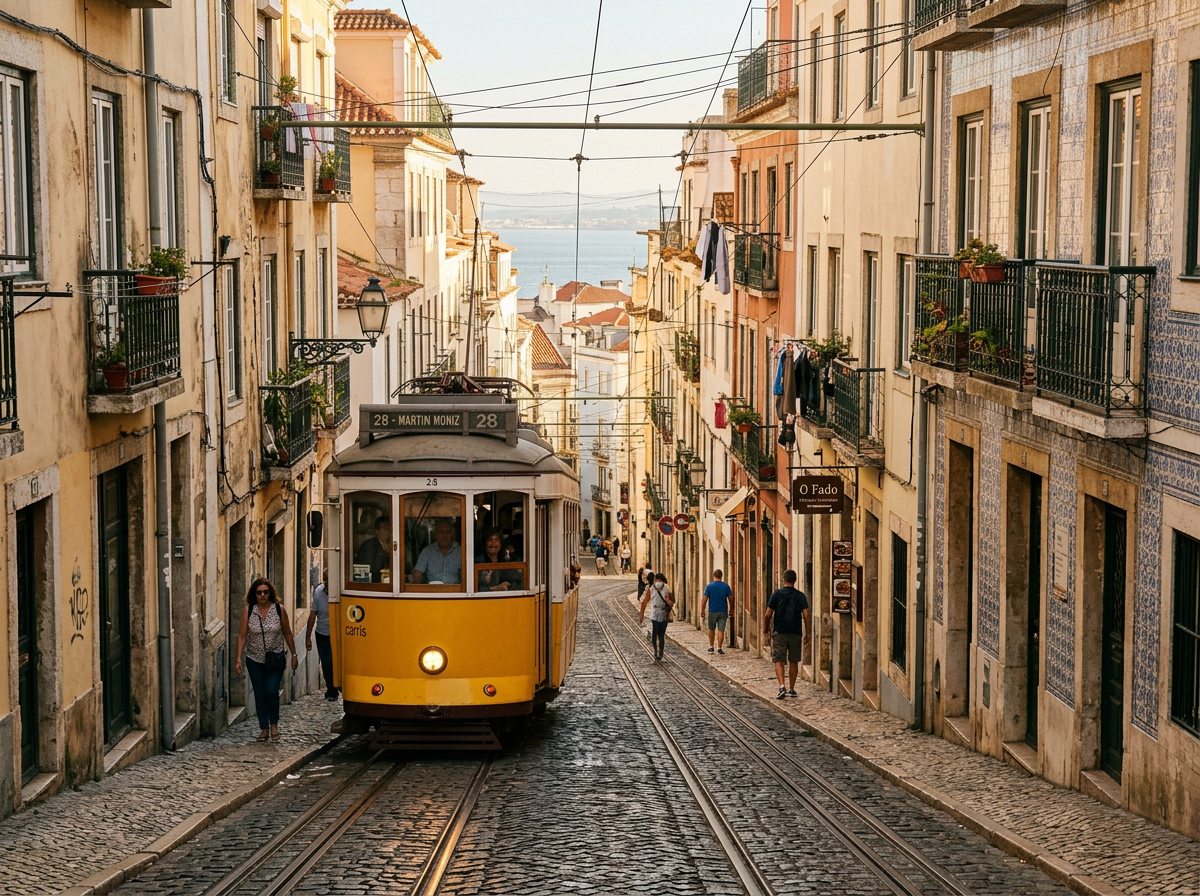
Culture
Fado in Lisbon: A Beginner's Guide to Portugal's Soul Music
What fado is, where to hear it in Lisbon, and how to tell a real casa de fado from a tourist trap — with our favorite spots in Alfama and Bairro Alto.
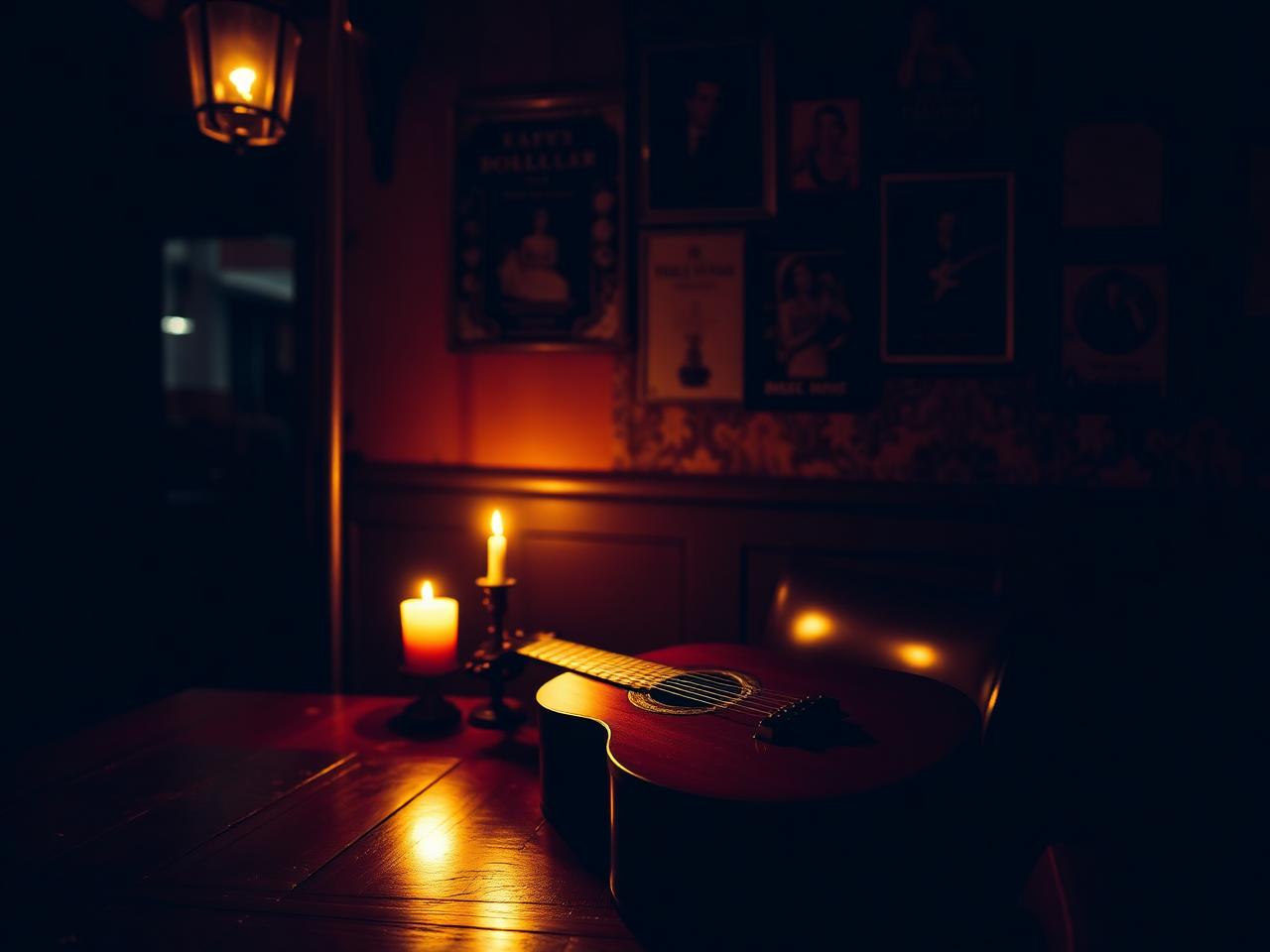
Fado is Lisbon's soundtrack — a melancholy, lyrical music born in the bars and brothels of 19th-century Alfama, recognized today by UNESCO as a piece of intangible cultural heritage. If you visit Lisbon and don't hear fado live, you're missing half the city.
What fado actually is
A fadista (singer) accompanied by a Portuguese guitar (the small, pear-shaped one) and a classical guitar. The themes are saudade — that untranslatable Portuguese word for longing — love, loss, the sea, the city itself. There's no encore, no flash. Just voice, strings, and silence.
Where to hear it (the real way)
- Alfama is the historical home of fado. The smaller the venue, the better. - Mouraria has some of the most authentic and least touristy houses. - Bairro Alto is hit-or-miss — many places are dinner-and-show for tour buses, a few are real.
How to tell a real casa de fado from a tourist trap
1. No microphones. Real fado is unamplified. 2. Small room. 30-50 people max. If it's a banquet hall, leave. 3. Sets, not shows. The lights dim, the room goes quiet, and a few songs are sung. Then dinner resumes. No applause between songs in the same set. 4. Locals in the audience. If everyone around you has a tour lanyard, you're in the wrong place. 5. Reasonable cover. €5-15 cover plus a normal dinner bill. If it's €50-80 fixed-menu "fado dinner," it's for buses.
A few names worth knowing
- Mariza — the global star of contemporary fado - Ana Moura — modern, soulful, hugely popular in Portugal - Camané — the most respected male fadista of his generation - Amália Rodrigues — the legend; her recordings are essential
How we'd do it
Our Lisbon After Dark tour includes a short fado set at a small Alfama tasca that locals actually go to. No dinner-and-show, no tour bus. Just the music, the room, and the silence between songs.